Ep05: How to Set Annual Goals You’ll Actually Stick With
January 12, 2026
post Last Updated:

TL;DR January isn’t a reset button — it’s a continuation. In this episode, we share two different approaches to annual planning: A capacity-first calendar system that maps your real availability before setting income goals A reflective planning process that combines data, vision, and quarterly milestones How to build momentum instead of wiping the slate clean […]
post Last Updated:


TL;DR
January isn’t a reset button — it’s a continuation.
In this episode, we share two different approaches to annual planning:
-
A capacity-first calendar system that maps your real availability before setting income goals
-
A reflective planning process that combines data, vision, and quarterly milestones
-
How to build momentum instead of wiping the slate clean
-
Why your past year’s work absolutely counts
-
Practical steps you can borrow (without overhauling everything)
The goal isn’t to reinvent your business on January 1.
It’s to create a sustainable next step that matches how you actually work.
January has a funny way of making entrepreneurs feel like they’re supposed to hit some imaginary reset button.
New year, new goals.
>New routines.
>New habits.
>New everything.
Hi! I’m Joanna
Vancouver-based website designer and podcaster with nearly two decades of experience building strategic, conversion-focused websites for creative entrepreneurs. I’ve worked through multiple waves of SEO changes, platform shifts, and design trends, and what I know for certain is this: clarity, structure, and intentional branding will always outperform something that’s just visually impressive. That’s the lens I bring to every Vancouver website design project I touch.

And sure, fresh energy can be motivating. But if you’ve been building your business for years (or even months), the idea that you’re supposed to “start over” on January 1 can feel… honestly? A little soul-crushing.
Because you didn’t stop building on December 31.
In Episode 06 of the Brand Unmuted Podcast, we’re sharing how we each approach annual planning in our two separate businesses – Joanna as a website designer and Dianna as a copywriter – and why the best plan is the one that helps you keep your momentum instead of wiping the slate clean.
This post breaks down both approaches so you can steal what works for you, ignore what doesn’t, and step into the new year with a plan that actually feels doable.
The core philosophy: January isn’t a reset — it’s a continuation
Before we get tactical, here’s the shared belief we keep coming back to:
Your business doesn’t need a fresh start. It needs a sustainable next step.
Joanna put it perfectly in the episode: when entrepreneurs are told January 1 means “start over,” it can feel like the work you did last year doesn’t count.
But it definitely does count.
So instead of asking, “What should I reinvent this year?” we like to ask:
- What worked last year that I want to build on?
- Where did I create momentum?
- What do I want to keep (and protect)?
- What needs to shift so the year feels even better?
Joanna’s annual planning system: capacity-first calendar planning
Joanna’s brain loves visuals, numbers, and planning around real life — so her planning system starts with a 12-month calendar on one single page.
Not a digital calendar, Fancy tool or an app.
A giant, physical calendar she can see at a glance.
H3 Step 1: Block off the non-negotiables first
Joanna starts by blocking off the things she already knows are happening, like:
- Vacations and family trips
- Holidays
- Travel for conferences (like Showit events)
- Anything that automatically reduces her capacity
This part matters because it prevents the “wait… why did I plan a full workload during a month I’m gone for two weeks?” problem.
Step 2: Add the projects already booked
Next, she adds the client projects already on the calendar — especially because Joanna often books projects six to eight weeks out (sometimes more), so projects for January and February are usually already on the books before the year starts.
She typically starts projects on Mondays, and she works with one client at a time, which makes the calendar surprisingly easy to map out.
Step 3: Use it to confidently book clients on discovery calls
Here’s the part we love: because Joanna can see availability instantly, she can offer start dates in real time on a discovery call.
Instead of: “Let me check my calendar and email you…” she’s able to say, “I can start you on ___, ___, or ___ – which one works best?”
That kind of clarity builds trust fast. Clients love it because it feels organized, confident, and simple.
Step 4: Reverse-engineer income goals from available weeks
Because Joanna works project-by-project, she uses this calendar to calculate her base income for the year:
- How many projects realistically fit?
- What does that equal in revenue?
- Does this meet my income goal?
And because she has multiple income streams, she uses project income as the baseline — then everything else becomes the bonus layer.
Step 5: Leave space for flexibility
One of the best parts of Joanna’s approach is that it’s structured without being rigid.
If a week isn’t booked (or a project shifts), she can use that time for:
- Business back-end work
- Content
- Email catch-up
- VIP days
- Smaller projects
- Rest (sometimes the plan is literally rest)
And if a project runs long? She’s honest: sometimes it means working late to get back on track. But because she planned with flexibility, it doesn’t derail the whole year.
The takeaway: You don’t need more hustle. You need a plan that matches your actual capacity.
Dianna’s annual planning system: reflection + goals + vision + quarterly milestones
Dianna’s approach starts a little differently.
She actually likes new year energy – not in a pressure-y “new you” way, but in a “pause, reflect, dream, and decide” way.
Think: candle lit, coffee in hand, journal open, calm brain.
H3 Step 1: Reflect on the year that just wrapped
Before setting goals, Dianna reviews the year through both feelings and data.
She looks at:
- Revenue
- Marketing metrics like social media, email stats, website traffic, etc.
- Revenue by offer-type: which offers performed well? Which ones underperformed? What felt energizing vs. draining
Because numbers don’t just measure success, they tell a story.
Step 2: Use EOS / Traction as a planning framework
A big part of Dianna’s system is inspired by EOS (the Entrepreneurial Operating System) from the book Traction by Gino Wickman.
The heart of this book is how to get out of the weeds and take a bird’s-eye view so you can build a business that doesn’t run you.
Even if you only borrow one concept from EOS, it can change how you plan.
Step 3: Set yearly goals (big + practical)
Once she reflects, she writes out goals for the year – personal and professional.
Some goals are tactical:
- New offers
- Launches
- Revenue targets
- Workflow improvements
Others are lifestyle-based:
- Time boundaries
- Flexibility
- Planning for CEO days
- Long-term dreams
And yes — she fully embraces the idea that you’re allowed to want big things.
Step 4: Make a vision board (physical or digital)
Dianna makes a physical vision board with magazine cutouts — old-school craft night vibes.
But if you’re not a scissors-and-glue person, a digital version works too. You can use it as a phone background, desktop wallpaper or a Pinterest board.
The point is simple: daily visual reinforcement of what you’re building toward.
Step 5: Break the year into quarterly milestones
This is the step that makes the whole system executable.
Instead of carrying one giant list of goals all year, Dianna breaks the year into quarters and asks:
- What needs to happen in Q1 to support my annual goals?
- What about Q2? Q3? Q4?
- What’s the next doable step?
Then she repeats the reflection process quarterly:
- What worked
- What didn’t
- What needs to shift
- What needs to be cleared out of the way
Because goals don’t become real through vibes alone. They become real through follow-through.
So… which approach is better?
Neither – it’s really about whichever approach works best for your brain!
If you’re more analytical, Joanna’s system might feel like a relief:
- Clear
- Visual
- Capacity-based
- Anchored in reality
If you’re more reflective, Dianna’s system might feel more supportive:
- Goals + meaning
- Numbers + feelings
- Big dreams + quarterly steps
And if you’re somewhere in the middle? Take the parts that resonate and build your own planning ritual.
Try this if you’re overwhelmed by planning
If annual planning makes you freeze, don’t do all of it.
Pick just one:
- Buy a one-page 12-month calendar and block out your year
- Do a “year in review” journaling session
- Track your numbers and look for patterns
- Make a vision board (digital counts!)
- Write quarterly milestones for one goal you actually care about
Small action builds momentum.

The Brand Unmuted Podcast is hosted by web designer Joanna Moss of Joanna Moss Creative, and copywriter Dianna Robicheau of Rise Copy Co. Listen wherever you get your podcasts.

Shop Tonic Website Templates
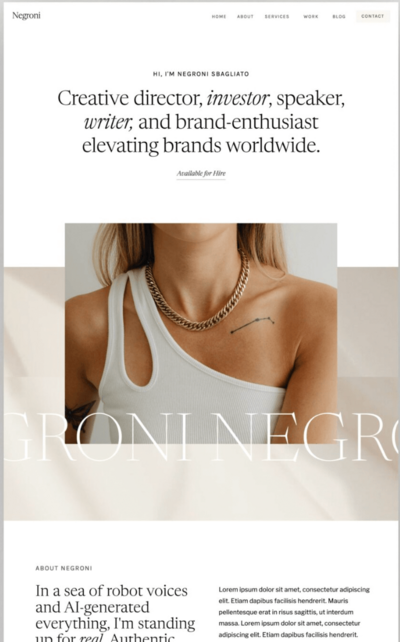
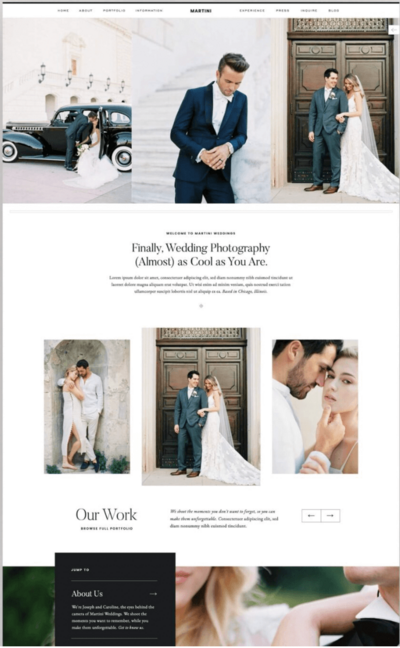
Tonic has my absolutely favorite templates in the game – their websites somehow combine killer strategy AND stunning, standout design. You're going to feel so confident in your new site!



Showit Tips →
for designers →
website strategy →
SEO strategy →


Tonic Templates →
Behind the Scenes →
BROWSE BY CATEGORY
BRAND UNMUTED
Brand Unmuted is where I share practical tips and strategies on Showit tips, Tonic templates, copywriting, and website strategy, helping entrepreneurs and designers build brands that can’t be ignored.